


Choosing a Multi Gym Machine Qatar Homes Can Trust

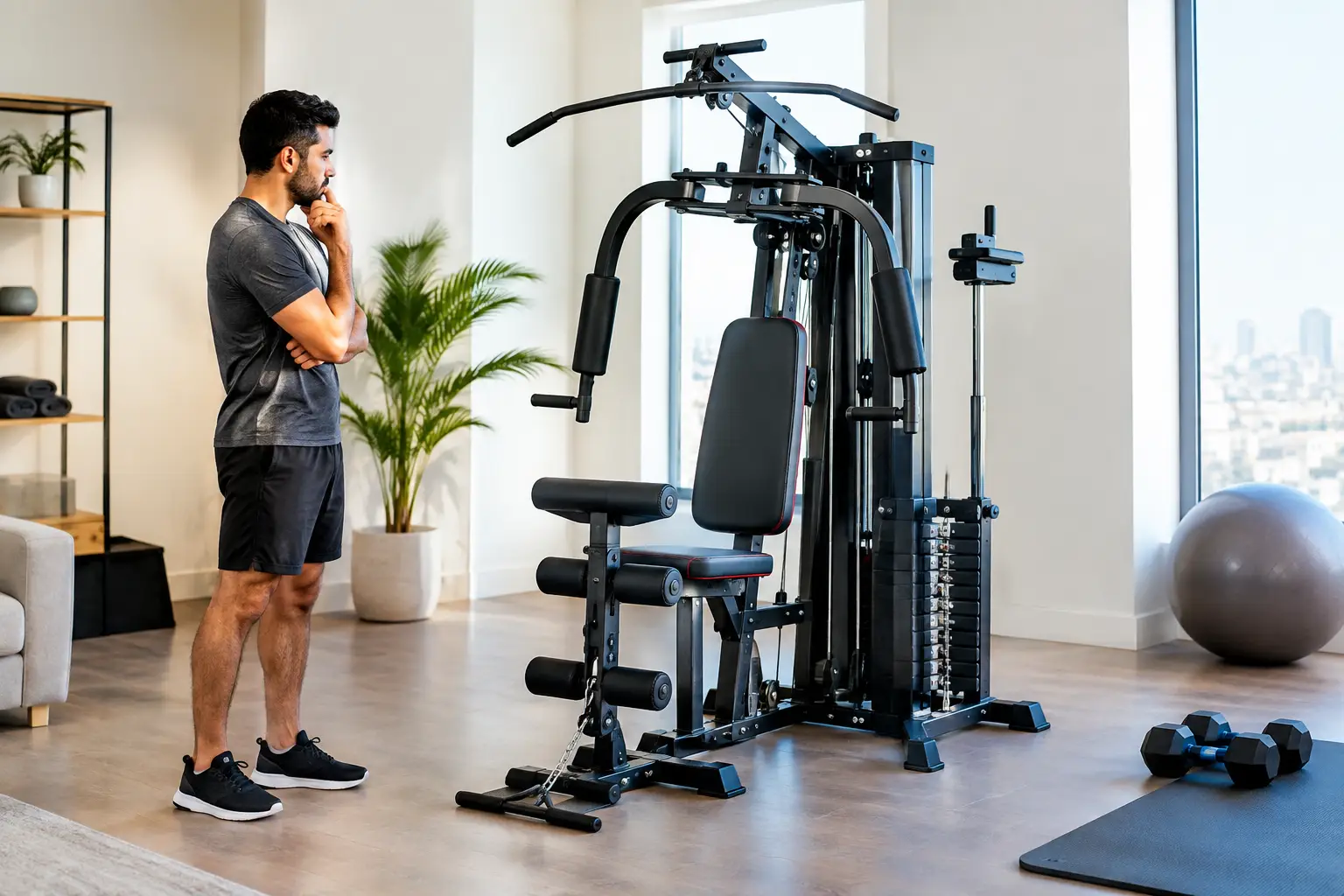
A multi gym machine Qatar buyers choose well can turn a spare room, villa garage, apartment fitness area, or commercial training floor into a consistent strength-training space. The right unit gives users a focused selection of exercises without filling the room with separate machines. The wrong one can feel restrictive, take up more room than expected, or fall short once training goals progress.
For home users, the decision is usually about getting full-body training from a compact footprint. For gyms, hotels, schools, and residential facilities, it is about keeping equipment dependable, intuitive, and ready for repeated use. Start with the people who will train on it, the available floor space, and the level of performance the machine needs to support.
What a Multi Gym Machine Should Deliver
A multi gym is designed to combine several strength stations into one structured unit. Depending on its configuration, it may include a chest press, pec deck, lat pulldown, seated row, leg extension, leg curl, low pulley, triceps pressdown, and abdominal training options. Instead of changing plates between every exercise, users select resistance from a weight stack and move quickly through their session.
That convenience is a major advantage for beginners, families, and facilities with mixed fitness levels. Cable-guided movement helps users maintain a consistent path, while clearly marked stations make the machine less intimidating than a free-weight area. It is also a practical choice for people who want to train before work or after a long day without driving to a fitness center.
A multi gym is not a complete replacement for every strength tool. Advanced lifters who prioritize heavy squats, barbell bench presses, Olympic lifting, or highly specific athletic work may need a rack, bench, barbells, and plates alongside it. But as the central piece of a space-efficient gym, a quality multi gym gives most users enough exercise variety to train major muscle groups with purpose.
Match the Machine to the Training Goal
The best setup depends on what success looks like for your users. A household focused on general fitness may benefit most from a compact, selectorized unit with straightforward stations and manageable resistance increments. The goal is regular use, not creating a complicated room that only one experienced lifter understands.
For committed home training, look for a machine with a higher weight stack, smooth pulleys, a strong frame, and versatile cable positions. A lat pulldown and low-row station add meaningful back training, while leg extension and curl attachments help create a more balanced lower-body routine. If multiple adults will use the equipment, adjustable seat positions and easy resistance changes matter just as much as the maximum load.
Commercial buyers should think beyond the spec sheet. A hotel gym or residential fitness center needs equipment that can handle frequent adjustments, different body sizes, and daily use by people with varying experience. A school or sports club may need stations that support supervised group training and controlled movement patterns. In these spaces, commercial-grade construction, upholstery durability, clear exercise labeling, and maintenance access are part of the buying decision.
Check Space Before You Buy a Multi Gym Machine in Qatar
Measure the room before selecting a model. This sounds basic, but the machine footprint alone is not the full space requirement. Users need room to sit, load and unload attachments, adjust seats, move safely around the frame, and perform cable exercises without hitting a wall or another piece of equipment.
Ceiling height deserves special attention. Lat pulldown stations, tall frames, and raised pulley systems need enough clearance overhead. In homes, consider doors, hallways, stairwells, and elevators too. A machine that fits on paper still needs a practical route into the final training space.
Plan for the equipment around the multi gym, not just the unit itself. A compact adjustable bench, dumbbells, a yoga mat, or a small storage rack can complete the area without making it crowded. In a larger facility, leave clear walking lanes and position machines so users can train without crossing each other’s movement space.
Resistance, Frame Quality, and Cable Feel
The resistance system affects how the machine feels from the first repetition to the last. Selectorized weight stacks are fast, organized, and suited to shared-use environments. A simple pin adjustment lets family members or gym members change loads quickly, which keeps sessions moving and reduces setup friction.
Look at the weight stack range in relation to the intended user. A lower stack may be sufficient for rehabilitation, light conditioning, or first-time trainees. A stronger and more experienced user may outgrow it quickly, especially on leg or back exercises. Higher resistance does not automatically mean a better purchase, but the capacity should fit the machine’s role for the next several years.
Frame strength, cable quality, pulley movement, and seat construction also determine long-term value. A stable frame should feel planted during pressing and pulling movements. Pulleys should move smoothly without jerking, and cables should track cleanly through the range of motion. Well-padded, durable upholstery is more than a comfort feature in commercial settings – it helps the equipment stay presentable under constant use.
Choose Useful Stations, Not Just More Stations
A long feature list can be misleading. The useful question is whether the machine supports movements your users will perform consistently. A chest press, lat pulldown, seated row, and lower-body station cover a practical foundation for most training plans. Additional cable attachments can add variety for biceps, triceps, shoulders, and core work.
Prioritize stations that allow comfortable positioning for the users in your space. A tall athlete, a teenager, and a smaller adult may all need different seat heights, backrest settings, and leg-hold adjustments. Test the adjustment points where possible, and check whether moving from one exercise to another is clear and efficient.
For busy facilities, simplicity often wins. One well-built multi gym with logical station flow may serve members better than a crowded machine with attachments that rarely get used. The target is a training tool that stays active on the floor, not a machine that looks impressive but creates confusion.
Safety, Setup, and Ongoing Service
A multi gym performs best when it is installed on a level surface and checked regularly. Protective gym flooring can help reduce vibration, protect the underlying floor, and create a more professional training zone. Keep the machine away from moisture, direct exposure to harsh outdoor conditions, and tight corners that make safe access difficult.
Users should understand basic setup before their first workout. Adjust the seat and pads to fit the body, select a load that allows controlled repetitions, and return the weight stack carefully rather than letting it drop. Facilities should also establish a simple inspection routine for cables, pulleys, bolts, upholstery, and selector pins.
After-sales support matters most after the purchase, not before it. For a home gym, expert setup guidance can prevent avoidable installation issues. For commercial buyers, access to maintenance support helps protect uptime and preserve the investment. Riyadha Trading supports both individual and institutional customers with equipment selection, setup guidance, wholesale options, and ongoing service planning.
Build a Space People Want to Use
The best multi gym is not necessarily the largest model or the one with the highest number of stations. It is the machine that fits the room, suits the users, and makes regular strength training easier to maintain. Choose quality that matches the workload, leave enough room to train safely, and build the rest of the space around the workouts people are genuinely ready to do.